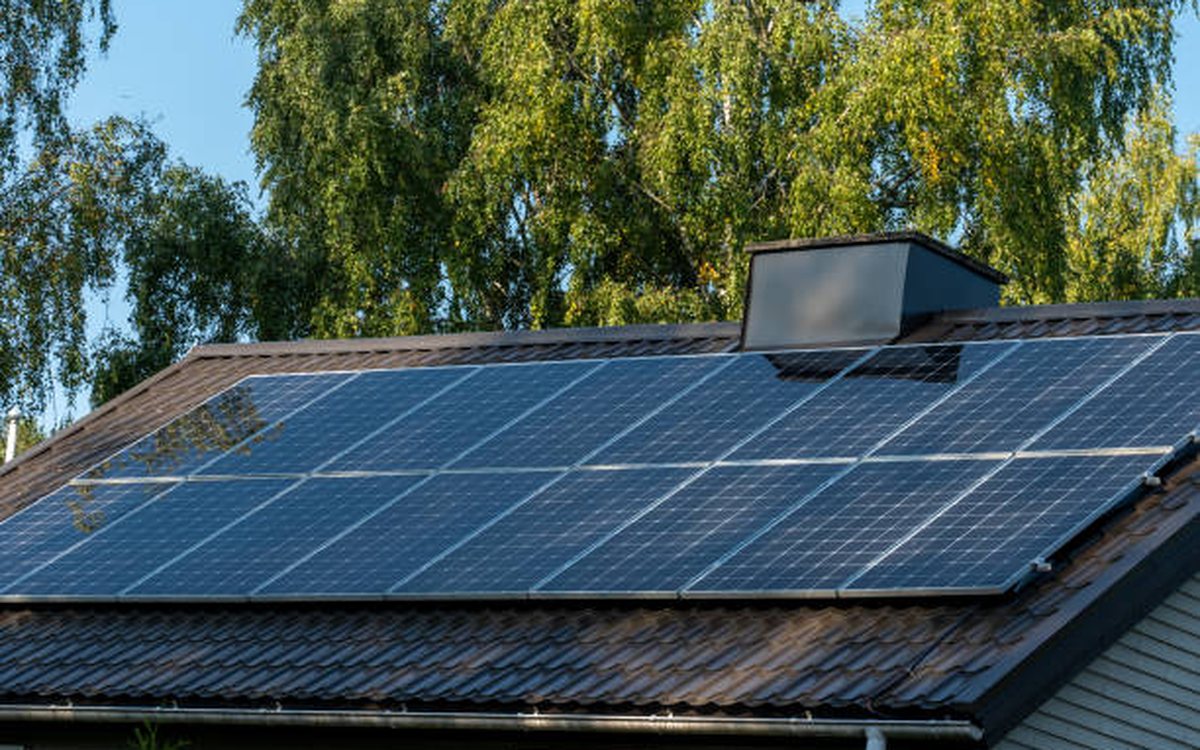
A solar upgrade is usually sold as an equipment decision: panel type, inverter brand, wattage per unit. In practice, the equipment is the easy part. What determines whether the system performs for its full life is the condition of the roof it sits on, the capacity of the electrical system it feeds, and how well the design matches the way your household actually uses power.
Here is how we assess a home before recommending anything.
The roof comes first, always
Panels are expected to last for decades. If your shingles have a decade or less of life left, the sensible sequence is roof first, panels second — otherwise you will pay to lift and reinstall the array in a few years, and the warranties involved rarely cover that inconvenience.
Look at three things: the age and condition of the covering, the condition of flashings and penetrations, and the framing under the area you intend to use. A roofer and a solar designer should look at the same roof together, ideally on the same visit.
Shading and roofline
Shade is not a simple yes or no. A chimney that shadows one corner in the late afternoon, a tree that will grow, a dormer that splits the plane — each has a different effect depending on how the array is wired. Modern systems with module-level electronics handle partial shade far better than older string designs, but the design still has to be arranged around the shade you have.
- Measure shade through the day and across seasons, not at a single hour.
- Think about the tree's future size, not today's.
- Keep access clear for cleaning and future servicing.
Electrical capacity and the switch board
This is where many projects quietly stall. An older switch board may not have room for the solar circuit, or may not be rated for what is being added. Upgrading it is a normal part of a solar project, and it is far cheaper to plan for it than to discover it mid-install.
Ask for the load calculation in writing. A designer who can explain your existing usage, the proposed generation and the resulting import and export in plain language is a designer who has done the work.
Documents worth gathering early
- Recent electricity bills showing a full year of usage.
- Roof age, material and any recent repairs.
- Photographs of the switch board and meter position.
- Any plans for an electric vehicle, heat pump or pool.
Battery, or no battery yet?
Storage is worth it when it is matched to a specific purpose: riding through evening peaks, keeping essential circuits alive during an outage, or holding generation you cannot use during the day. Storage added without a purpose tends to sit underused.
Design the system you need, then add storage where it earns its place — not the other way around.
If battery capacity is a future possibility, say so now. Leaving space at the switch board and a sensible cable route costs little today and saves a great deal later.
Your usage patterns matter more than panel count
A household that is empty through the day and busy in the evening gets much less from an array than a household running appliances and heating during daylight. Shifting the big loads — laundry, hot water, dishwasher, vehicle charging — into daylight hours is free and often more effective than adding capacity.
Before you buy, spend a week noticing when the power is actually used. That short exercise changes the design conversation considerably.
Questions to ask any installer
- Who is doing the roofing work if the roof needs attention first?
- How is shade handled at the module level?
- What exactly does the warranty cover, and for how long, in writing?
- Who services the system locally if something fails?
- What is the plan for monitoring, and who reads it?
The order we recommend
Roof assessment and any remediation, then electrical review, then system design matched to measured usage, then installation, then a proper commissioning walkthrough so you know what the monitoring is telling you.
Done in that order, a solar upgrade stops being a purchase and becomes part of the long-term plan for the house — which is exactly where it belongs.